Ten Years Later, It Just Works
About ten years ago we bought a new house. It was built for us, but we had almost nothing to do with the build. We were moving between states and spending most of our time out of the country, so the house went up without us. We walked into it more or less finished.
That was also when Arduino and Raspberry Pi were taking over every tinkerer's brain, mine included. Single-board computers with GPIO pins and endless possibilities were suddenly real and cheap. Kickstarter always seemed to have a new board at the top of its list, and I backed most of them. There were dime-sized Bluetooth boards that ran on a coin cell, and 64-bit boards with 16 GB of RAM and fast networking built in. Some promised automation for pennies. Others shipped with keyboards, screens, and cases so you could build a whole desktop. I still have a few of those in a drawer.
I didn't care about the desktop part. I already had computers I liked. I cared about home automation, and specifically home automation without vendor lock-in. No expensive hub, no subscription, and no proprietary gear that would be obsolete six months later, or right when you finally got it working. Just open protocols, small programs, and APIs.
The Spark years
Spark.io was one of the boards I was most excited about. It offered an Arduino-compatible environment on a device that was always connected, with a real cloud API over Wi-Fi and later cellular. Spark became Particle, and as far as I can tell they're still building on that same idea. I think I've owned nearly every board they've made, from the original Wi-Fi Core through the cellular ones.
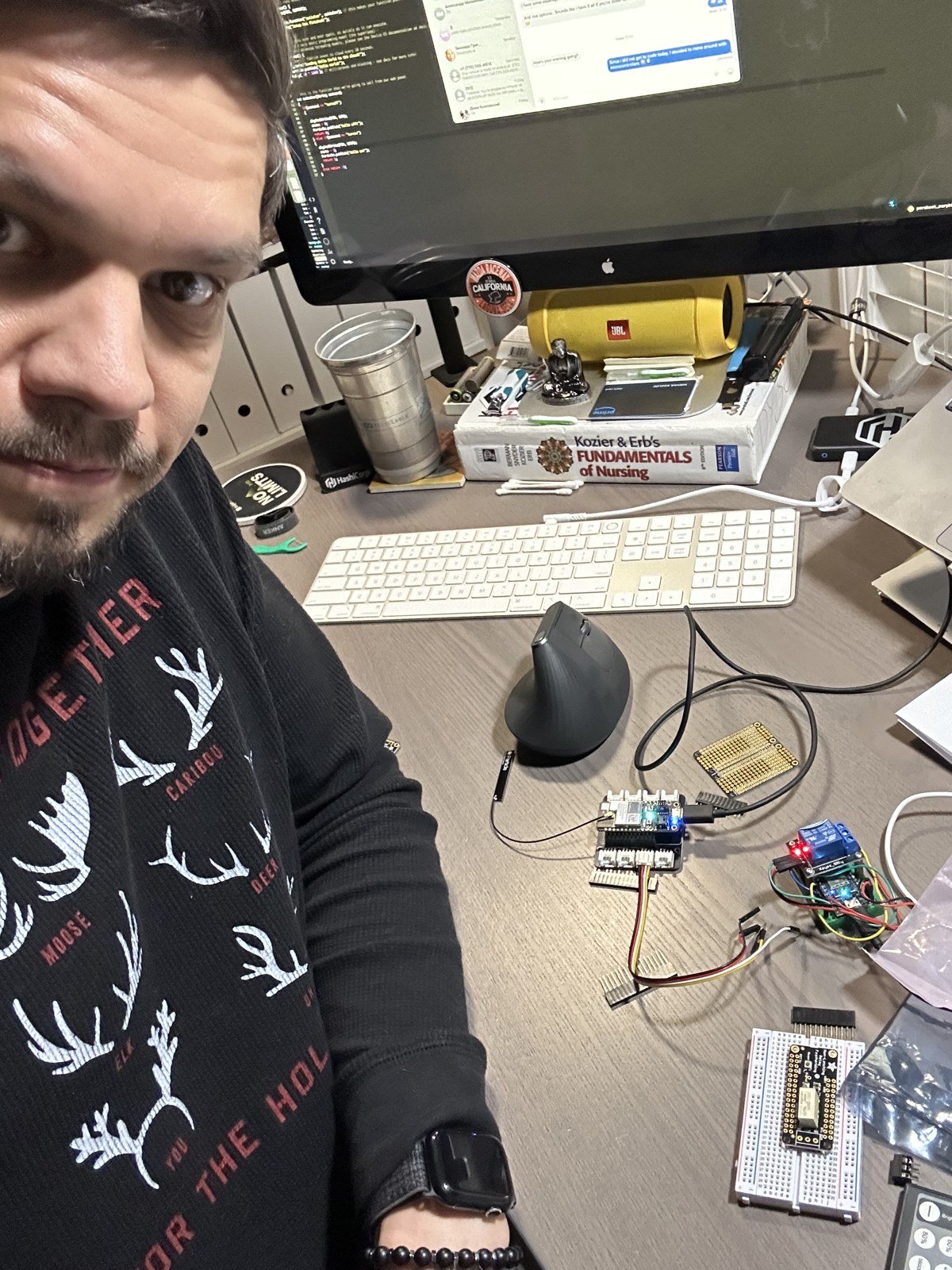
I also built an energy meter with a Raspberry Pi, an Aeotec Z-Stick, and a pile of Node.js and Lumen code. It worked, and I learned a lot from it.
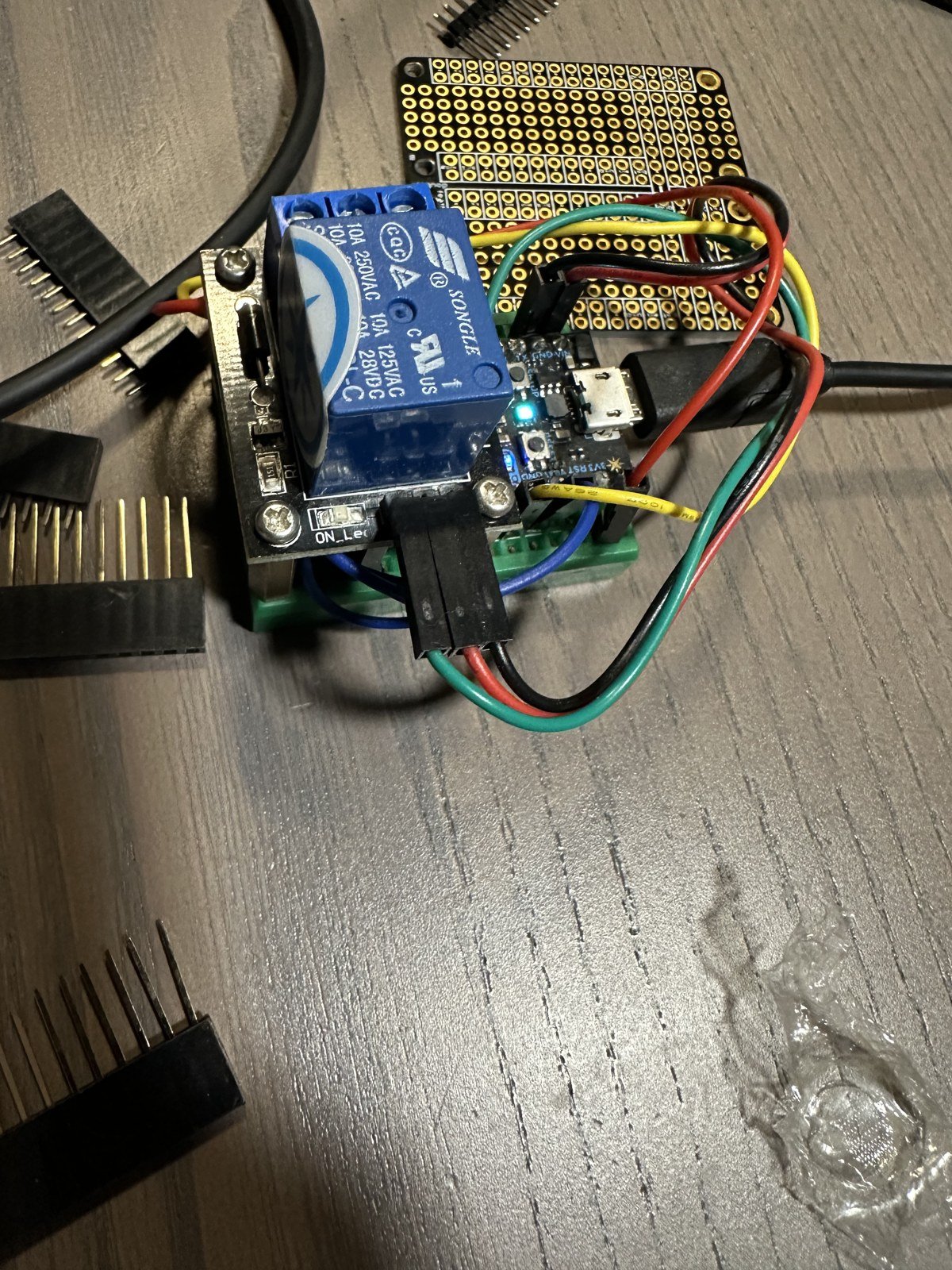
The hardware was never the hard part. Wiring relays was fine. Writing Arduino code for the first time was fine. Getting the APIs right was fine.
The hard part was the human interface. Someone has to turn on the light, start the fan, turn it off, or set a schedule, and that someone isn't going to SSH into a Raspberry Pi. When you build it yourself you get endless possibilities, and you also get endless maintenance, support, and rework. Looking back on a decade of trying, failing, and trying again, that was the lesson that mattered most. The interface was always the weakest part, and I was the one who had to maintain it.
Then Matter showed up
Fast forward ten years. The home automation industry finally mostly agreed on one standard for how devices should talk to each other. Matter isn't perfect, but it's a major enabler and it breaks a lot of vendor lock-in.
I've always liked Apple's devices, and Apple has always been cautious about home automation. It mostly stayed on the sidelines and kept everything inside its own tightly controlled ecosystem. Matter changed that. Search Amazon for Matter devices and you'll get thousands of results that work with every major platform, including the one already in your house running your TV, speakers, and thermostat.
They also come in every form factor you can think of. I no longer need to wire a board to a relay, work out how that board gets its data online, or glue together systems that were never meant to work together. You buy the device, scan the QR code, and it works.
Saying goodbye to Z-Wave and Arduino
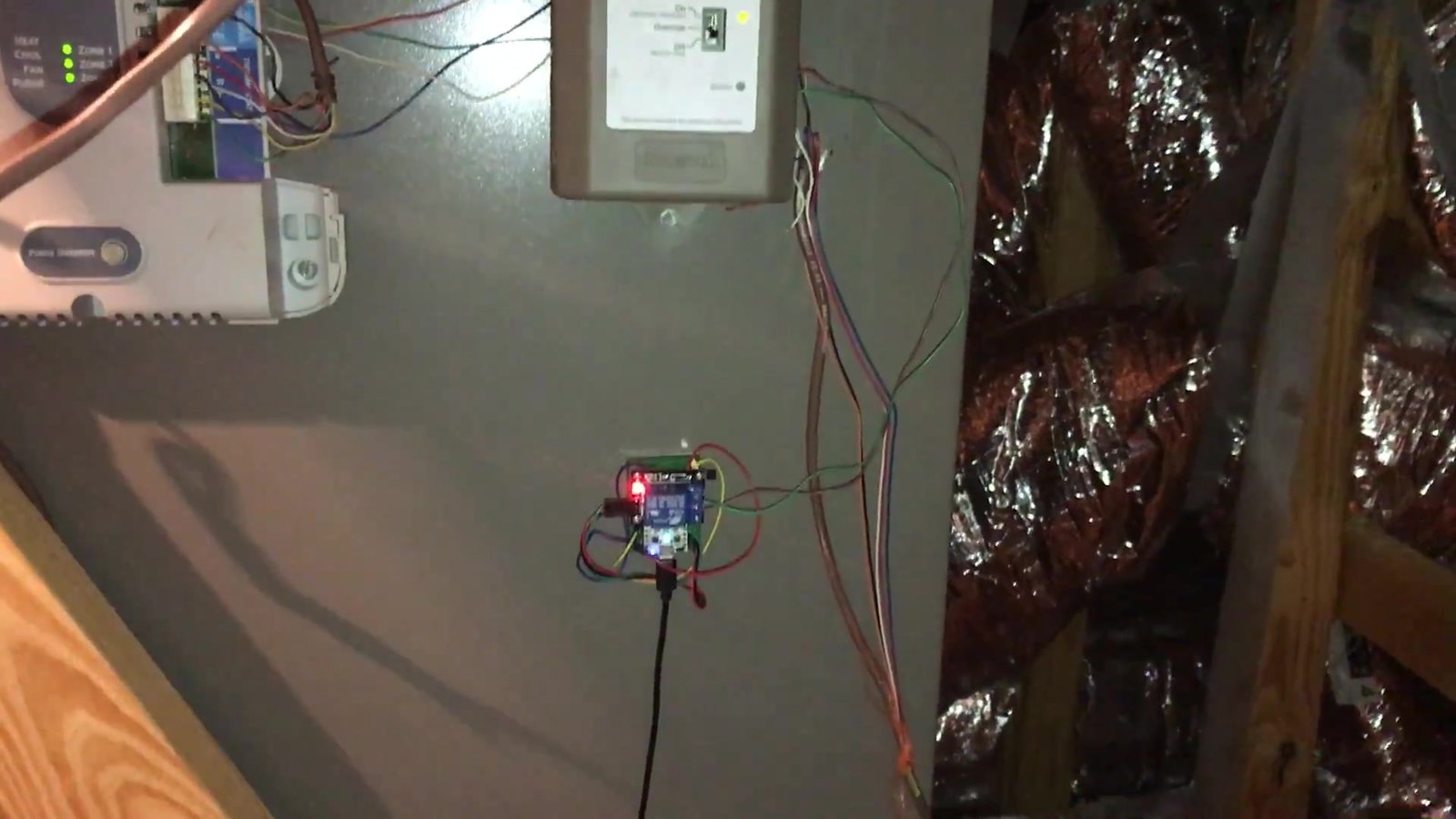
For years I tried to build a usable interface for the whole-house ventilation with Arduino boards and relays. Not perfect, just usable, and that difference matters. It never happened.
The Z-Wave side didn't last either. My Z-Wave SmartThings hub died during the last power outage. I needed something that would talk to HomeKit so I could control the lights again.
Two small SONOFF devices replaced both:
SONOFF MINI-D (Wi-Fi, Matter). This one runs the whole-house ventilation now. It's a dry-contact relay, so it doesn't power anything. It closes the input on the Honeywell ventilation control, exactly like my homemade relay board used to. Same job, same spot on the wall, and now it's a tile in the Apple Home app instead of a project I have to maintain.
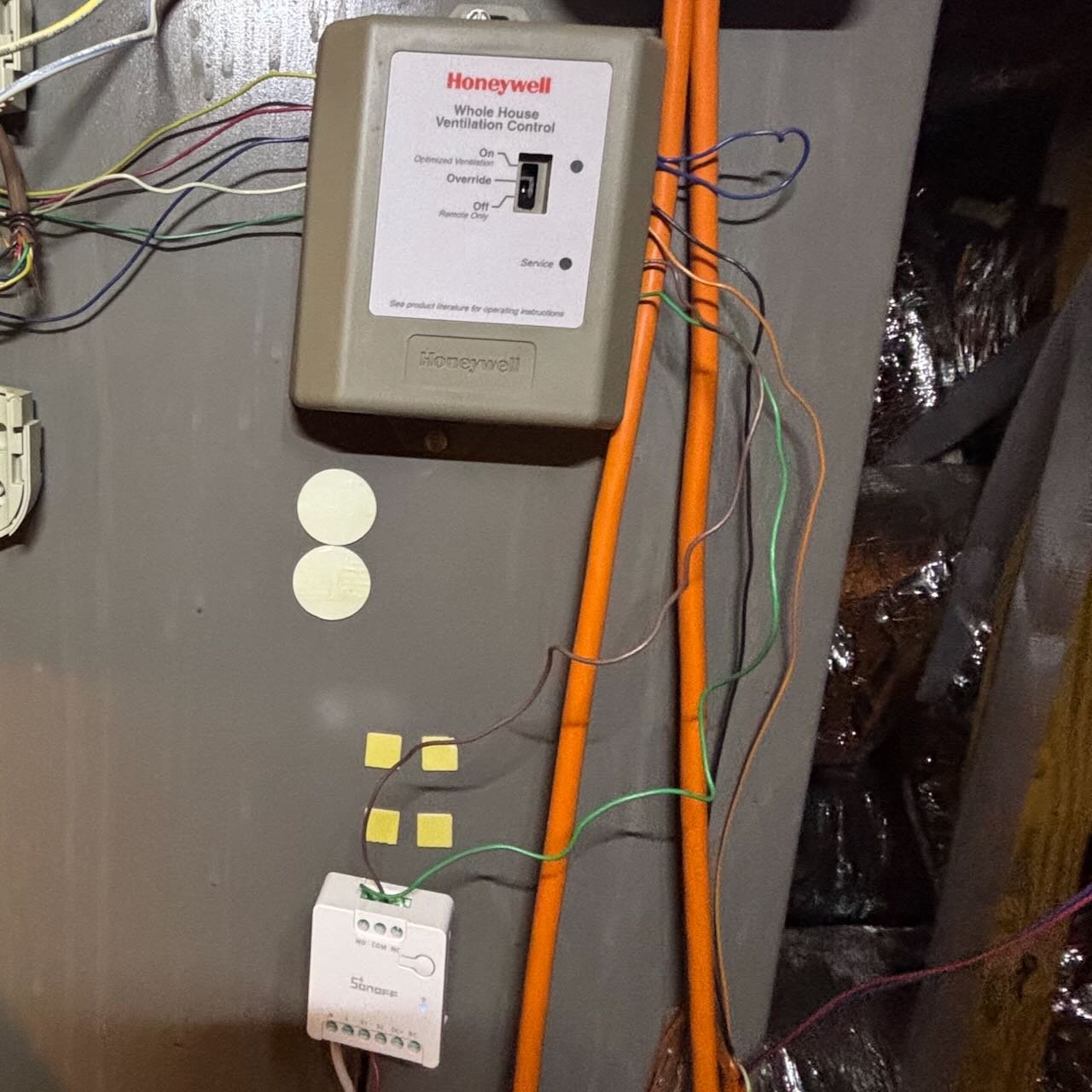
SONOFF MINIR4M (Matter). This replaced a Z-Wave switch that was left orphaned when the hub died. The switch itself was fine. It just had nothing to talk to anymore. That's exactly the problem I was trying to avoid ten years ago, and it happened anyway.
Each one took a few minutes. I wired it, scanned the code, gave it a name, and that was it.
It just works
If you've read my older posts, you know I've tried a lot of different technology to solve a lot of problems around the house. This post is mostly to report, happily, that we've finally reached the point where things just work.
A lot is going on in our lives, and sometimes things just working is all you need. I'm glad we got here, even if it took about ten years.
Happy tinkering, everyone!